 Dandelion
Blog
Why Are My Eyes So Itchy? Understanding Eye Allergies
Red, watery or itchy eyes can be frustrating, especially when they keep coming back.
Many people assume the problem is dry eyes, an infection or simply being tired. But allergies are another very common cause.
Eye allergies, also called allergic conjunctivitis, happen when your eyes react to something in your environment.
What Do Eye Allergies Feel Like?
Itching is one of the biggest clues.
Common symptoms include:
- Itchy eyes
- Watery eyes
- Redness
- Burning or irritation
- Puffy eyelids
- A feeling that something is irritating your eyes
Eye allergies often affect both eyes and may happen along with sneezing, a runny nose or nasal congestion.
What Causes Eye Allergies?
Many of the same things that cause nasal allergies can also bother your eyes.
Common triggers include:
- Tree, grass and weed pollen
- Dust mites
- Pet dander
- Mould
Some people have symptoms mainly during pollen season. Others have problems throughout the year because their triggers are indoors.
Smoke, perfume and other irritants can also make sensitive eyes feel worse, although irritation is not necessarily the same as an allergy.
Why Do My Eyes Itch So Much?
When an allergen reaches the surface of your eye, your immune system can release histamine and other chemicals.
This causes the itching, redness and watering that many people recognize as allergy symptoms.
It can be very tempting to rub your eyes, but rubbing often makes the irritation worse.
What Can I Do at Home?
A few simple things may help.
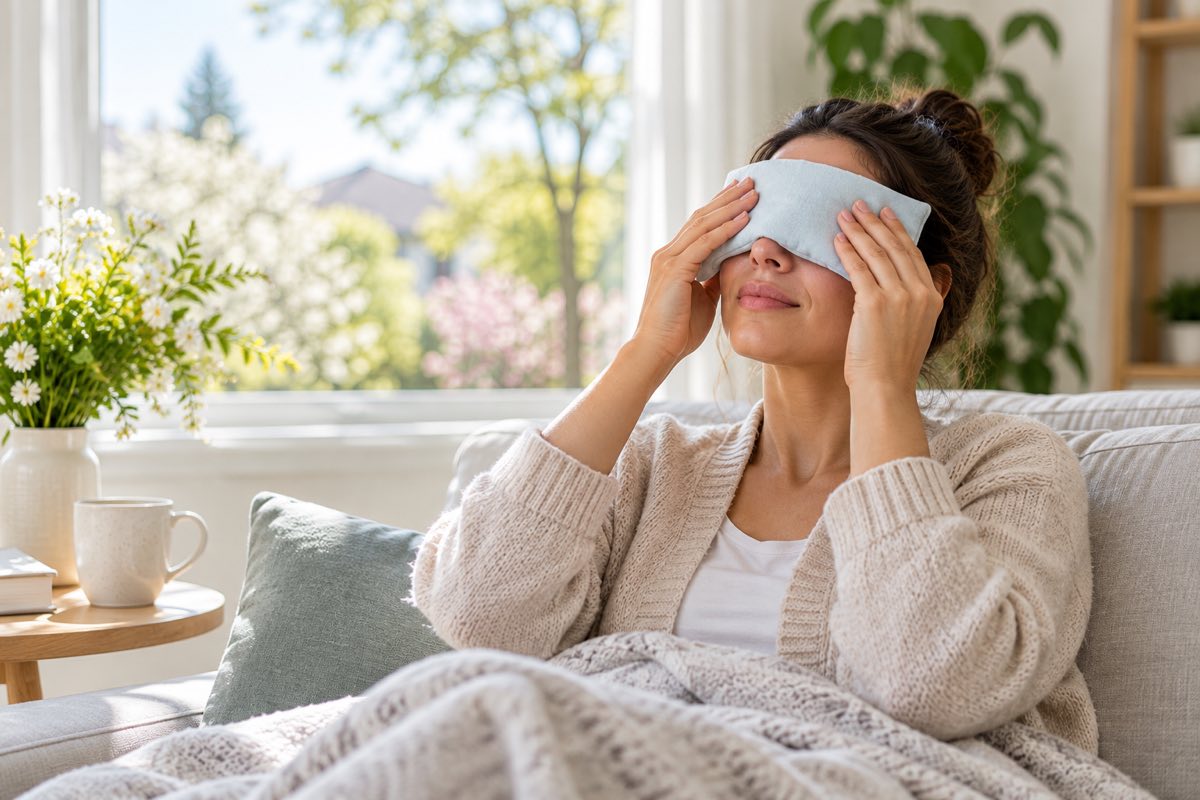
Try a Cool Compress
A clean, cool compress over closed eyes can be soothing when your eyes are itchy or puffy.
Use Artificial Tears
Lubricating eye drops, sometimes called artificial tears, can help rinse allergens from the surface of the eye and relieve dryness or irritation.
Ask your pharmacist or healthcare provider if you are unsure which product is appropriate for you.
Avoid Rubbing Your Eyes
This is easier said than done, but rubbing can make inflammation and irritation worse.
Wash Up After Being Outside
During pollen season, pollen can collect on your face, hair and clothing.
Washing your face, showering and changing clothes after spending a lot of time outside may help reduce exposure.
Wear Sunglasses Outdoors
Glasses or sunglasses can provide a physical barrier and may reduce the amount of pollen reaching your eyes.
Be Careful With Redness-Relief Eye Drops
Not every eye drop is designed for allergies.
Some over-the-counter drops work mainly by shrinking blood vessels to make the eyes look less red. Using certain redness-relief drops repeatedly can sometimes lead to rebound redness when you stop using them.
If you are reaching for eye drops frequently, speak with your pharmacist, doctor or allergist about which type is appropriate for your symptoms.
What If I Wear Contact Lenses?
Contact lenses can sometimes make eye allergy symptoms more uncomfortable.
Allergens and other material can collect on the lenses, and irritated eyes may tolerate contacts poorly during an allergy flare.
If your eyes are very irritated, you may need to give them a break from contact lenses.
Eye pain, significant light sensitivity, changes in vision or marked redness in someone who wears contact lenses should be assessed promptly by an eye-care professional.
When Might It Be Something Other Than Allergies?
Not every red or watery eye is caused by allergies.
Eye infections, dry eye and other eye conditions can cause similar symptoms.
Seek medical attention if you have:
- Eye pain
- Changes or loss of vision
- Significant sensitivity to light
- Thick or pus-like discharge
- Severe swelling
- Symptoms mainly affecting one eye
- An eye injury
- Symptoms that are getting worse instead of better
These are not typical symptoms of simple eye allergies and may need a different type of assessment.
How Can an Allergist Help?
If itchy, watery eyes keep returning, an allergist can help determine whether environmental allergies are contributing.
Your symptoms, the time of year they occur and what you are exposed to can provide useful clues.
Allergy testing may help identify triggers such as pollen, dust mites, pets or mould.
Once you know what is causing the problem, your allergist can recommend ways to reduce exposure and discuss treatment options. Depending on your symptoms, this may include allergy eye drops, nasal treatments, antihistamines or allergy immunotherapy.
The Bottom Line
If your eyes are itchy, watery and red, especially when you also have sneezing or nasal congestion, allergies may be responsible.
Try not to rub your eyes, reduce exposure to known triggers and use eye products appropriately.
If the problem keeps coming back or you are not sure what is causing it, Dandelion Allergy Centre can help identify your allergy triggers and develop a treatment plan that fits your symptoms.
This article is for general information and does not replace medical advice from your healthcare provider.