 Dandelion
Blog
Why Does My Mouth Itch After Eating Fresh Fruit?
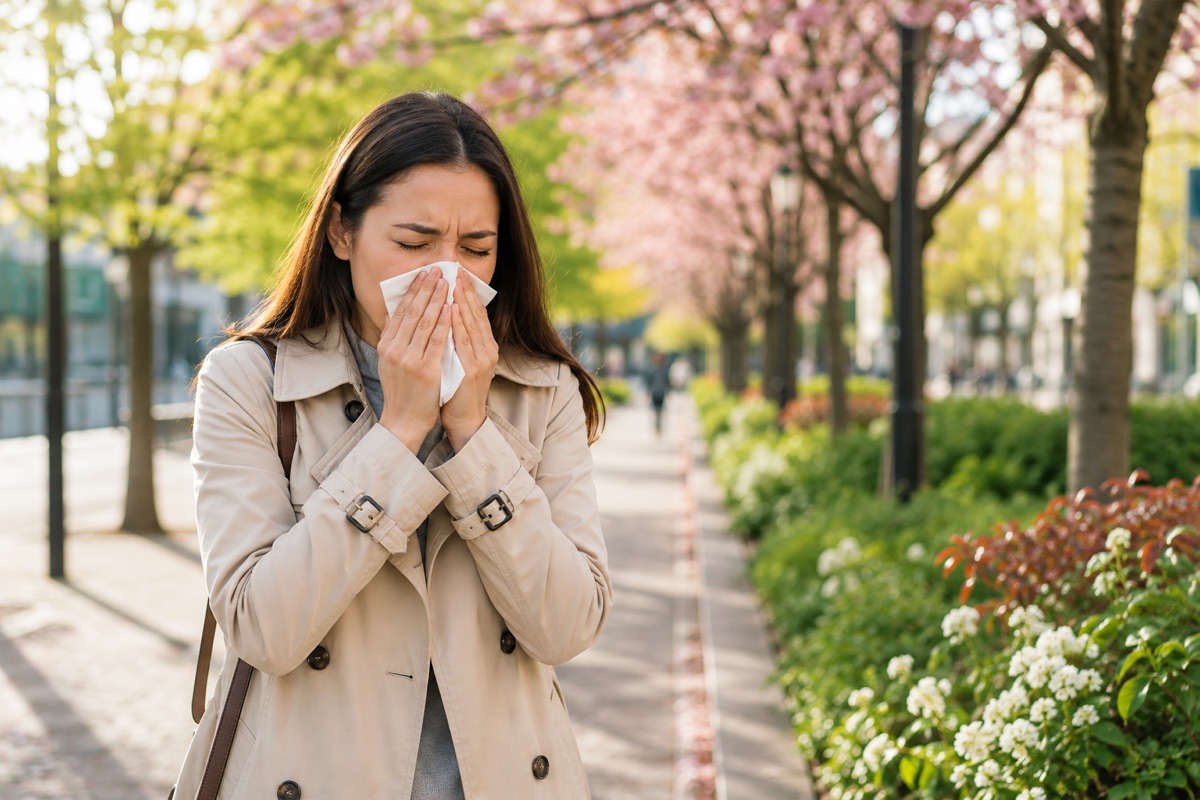
Have you ever bitten into an apple, peach or another fresh fruit and suddenly noticed that your mouth or throat feels itchy?
It can be confusing, especially if you have eaten that food before without a problem. One possible explanation is something called pollen food allergy syndrome, sometimes called oral allergy syndrome.
What Is Pollen Food Allergy Syndrome?
Pollen food allergy syndrome happens in some people who are allergic to pollen.
Certain proteins in fresh fruits, vegetables and nuts are similar to proteins found in pollen. Your immune system can mistake the food protein for the pollen you are allergic to and cause a reaction.
For example, someone with a birch pollen allergy may notice symptoms after eating certain raw fruits.
What Does It Feel Like?
Symptoms usually begin shortly after eating the food and are often limited to the mouth and throat.
You may notice:
- Itchy lips
- Tingling in the mouth
- Itchy tongue
- Mild swelling of the lips or mouth
- An itchy or scratchy throat
Symptoms are often mild and may disappear fairly quickly once you stop eating the food.
Which Foods Can Cause It?
The foods involved can depend on which pollen you are allergic to.
Some people with pollen allergies may react to foods such as:
- Apples
- Peaches
- Cherries
- Pears
- Plums
- Melons
- Bananas
- Carrots
- Celery
- Tomatoes
Not everyone with pollen allergies reacts to these foods, and having symptoms with one food does not mean you need to avoid every food on the list.
Why Can Cooked Fruit Be Fine?
Here is one of the interesting clues.
Some of the proteins responsible for pollen food allergy syndrome are changed by heat. That means a person might develop an itchy mouth after eating a raw apple but have no problem eating applesauce or apple pie.
Peeling the fruit may also help some people.
This does not work for every food or every person, so you should not use cooking as a way to test a suspected food allergy on your own.
Can Symptoms Be Worse During Pollen Season?
They can be.
Some people notice stronger reactions during the season when the pollen they are allergic to is high.
If your mouth only seems to itch after certain fresh foods during spring, summer or fall, it is worth paying attention to the pattern.
Is It the Same as a Regular Food Allergy?
Not exactly.
Pollen food allergy syndrome is caused by cross-reaction between pollen and similar proteins in foods. Symptoms are usually concentrated around the mouth and throat.
A traditional food allergy can cause symptoms in other parts of the body and may lead to a serious allergic reaction.
Because the two can sometimes look similar, it is important not to assume that every reaction to a fruit, vegetable or nut is pollen food allergy syndrome.
When Should You Take a Reaction More Seriously?
Most pollen food allergy syndrome reactions are mild, but more serious reactions can occur.
Seek emergency medical help if you develop symptoms such as:
- Trouble breathing
- Significant throat swelling or tightness
- Widespread hives
- Repeated vomiting
- Dizziness or fainting
If you have been prescribed an epinephrine auto-injector for a serious allergic reaction, use it according to your allergy action plan and seek emergency medical care.
You should also speak with an allergist if your reactions involve foods such as peanuts or tree nuts, if symptoms are becoming stronger, or if symptoms happen beyond your mouth and throat.
Should You Stop Eating Every Related Food?
Usually not.
If you can eat a food without symptoms, there is generally no reason to avoid it simply because it appears on a list of foods associated with pollen allergy.
Unnecessary food restrictions can make eating more difficult and may reduce variety in your diet.
The goal is to identify the foods that actually cause symptoms for you.
How Can an Allergist Help?
An allergist can review exactly what you ate, whether the food was raw or cooked, how quickly the symptoms started and whether you also have seasonal allergies.
Allergy testing may be recommended depending on your symptoms and history.
This can help distinguish pollen food allergy syndrome from another type of food allergy and give you clearer advice about which foods you can safely eat.
The Bottom Line
An itchy mouth after eating fresh fruit does not always mean you have developed a new traditional food allergy.
For people with pollen allergies, it may be pollen food allergy syndrome.
Pay attention to which foods cause symptoms, whether they are raw or cooked and what time of year the reactions happen.
If the reaction keeps happening, becomes more severe or you are unsure whether a food is safe, Dandelion Allergy Centre can help determine what is causing your symptoms and what you actually need to avoid.
This article is for general information and does not replace medical advice from your healthcare provider.